Wondering whether a condo or a house makes more sense in Madison? You are not alone. Many buyers here are weighing price, location, maintenance, and lifestyle all at once, and the right answer depends less on the label and more on how you want to live. This guide will help you compare both options using current Madison and Dane County market data so you can make a smart, practical decision. Let’s dive in.
Madison condo vs. house at a glance
In Dane County, single-family homes still make up a larger share of available listings. The March 2026 MLS snapshot showed 547 single-family listings and 190 condo listings, out of 737 active listings total. That means you will usually have more house options to choose from, even though condos remain an important part of the market.
At the same time, Madison has added a lot of new housing in multi-family buildings over the last decade. The city reports that most homes completed from 2015 to 2024 were in multi-family buildings, while most new one-unit homes were built in newer neighborhoods on the city’s edges. In practical terms, that often means more attached and condo-style living in central areas, with detached homes showing up more often farther out.
Price is part of the decision too. In Dane County’s 2025 sold data, condos generally sold below single-family homes within similar bedroom categories. For example, in the 2-bedroom-or-less group, the median sale price was $289,000 for condos versus $355,000 for single-family homes.
How price compares in Madison
If budget is your first filter, condos may give you a lower entry point in many parts of Madison. The City of Madison’s 2025 value estimates put a typical condo or co-op at $287,512, compared with $315,868 for a typical 2-bedroom home. That gap is real, but it is not always huge once you compare similar size and location.
Dane County sales data shows a similar pattern. In the 3-bedroom category, the 2025 median sale price was $377,500 for condos and $440,000 for single-family homes. So while houses often cost more, the difference may or may not justify the tradeoff depending on what you need.
The bigger question is your full monthly cost, not just the purchase price. A condo may come with a lower sale price, but it also usually comes with a monthly condo fee paid directly to the association. A house may not have that fee structure, but you will likely handle exterior upkeep and repair costs on your own.
What condo fees really mean
Condo fees are one of the biggest reasons buyers hesitate, but they are not automatically a bad thing. These fees often help cover shared exterior and common-area repairs, water, sewer, trash, some insurance costs, amenities, and reserve funding. In exchange, you may have fewer direct maintenance tasks to manage yourself.
In Madison, those monthly costs can vary a lot. The city’s housing snapshot included one downtown condo example at a $400,000 purchase price with about $800 per month for condo fee plus maintenance, and one far-west-side condo example at $330,000 with a $350 monthly fee. These are examples only, not market averages, but they show how much the monthly picture can change from one building to another.
With a single-family house, you usually do not have a mandatory condo fee covering shared exterior costs. Instead, you budget directly for roof work, siding, landscaping, snow removal, and other upkeep. Some buyers prefer that control, while others would rather have more predictable shared costs.
Lifestyle fit matters as much as price
A condo and a house can support very different day-to-day routines. If you want lower direct maintenance, easier lock-and-leave living, and a home that may fit a more walkable routine, a condo could be a strong match. That can appeal to downsizers, busy professionals, and buyers who travel often.
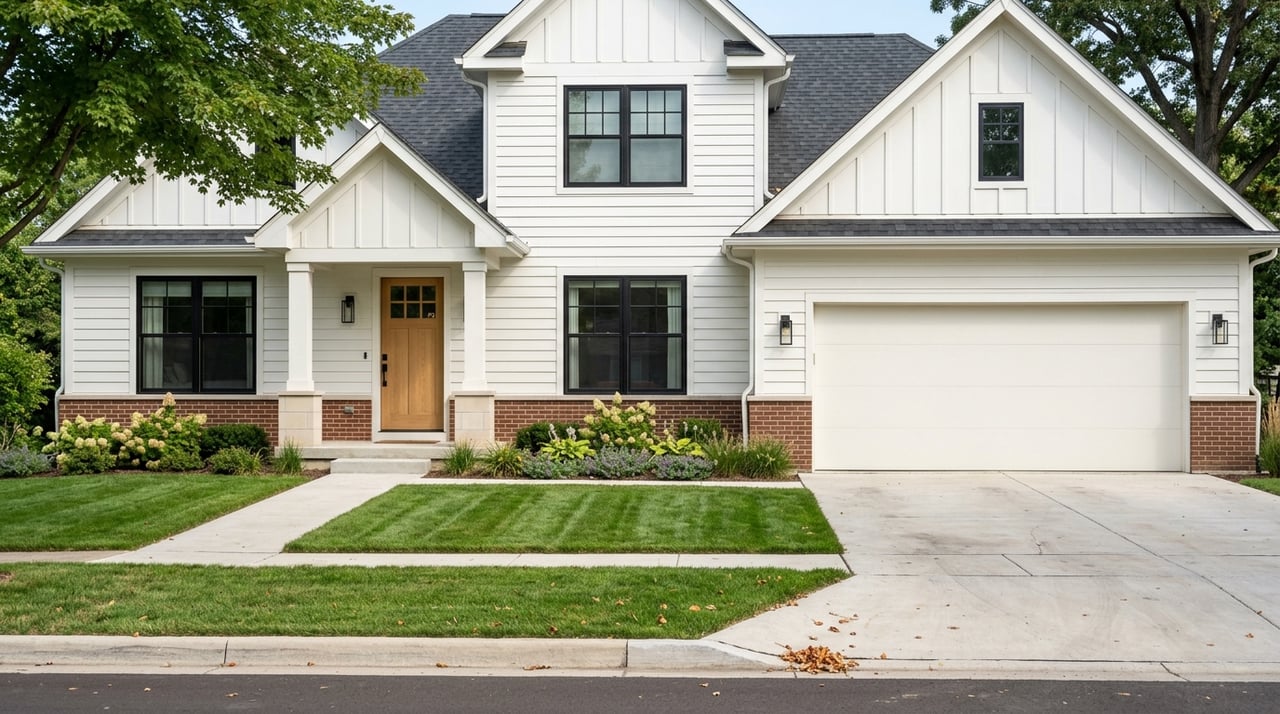
If you want a yard, more privacy, and full control over exterior upkeep and improvements, a single-family house may fit better. That often matters to buyers who want outdoor space, room to spread out, or fewer community rules affecting future plans.
Neither option is better across the board. The best choice is the one that matches your budget, your tolerance for maintenance, and how you want your home to function over the next several years.
Where condos and houses tend to show up
In Madison, location often nudges the condo-versus-house decision before you even realize it. The city has directed more growth toward downtown and transit-rich corridors, including areas covered by transit-oriented development policies and the downtown area between Park Street and Blair Street, bordered by Lakes Mendota and Monona. That has helped support more attached and mixed-use housing in central locations.
The city’s 2025 housing proposals also point to areas such as East Gorham and East Johnson, Williamson Street, Regent and Brittingham Park, Breese Terrace, University Avenue and Campus Drive, Oscar Mayer, East Towne, West Towne, and University Research Park as places where more homes are allowed or encouraged. In practical terms, buyers looking for condos or townhome-style living often start in or near these higher-density areas.
Detached homes, by contrast, are still more common in newer neighborhoods on the city’s edges. If your search starts with a larger lot, a more traditional detached layout, or newer one-unit construction, your search area may naturally spread outward from the center of Madison.
Why the property label is not enough
In Madison and Dane County, the listing category can be misleading if you do not read the details closely. SCWMLS notes that some single-family properties with a shared wall or a monthly maintenance fee may also be marketed secondarily under the condo category. That means a home may look and feel more like a house, while still carrying condo-style ownership or fee obligations.
This is why you should not rely on the word condo or house alone. Instead, confirm what you actually own, what the monthly fees cover, and what restrictions apply. A quick conversation early in the process can save you from surprises later.
Questions to ask before buying a condo
If you are considering a condo in Madison, the documents matter just as much as the photos. Wisconsin has specific condo disclosure requirements, and buyers should use them to understand both the unit and the association.
Before you commit, ask for:
- The current operating budget
- Monthly assessment amount
- Reserve balance information
- Recent board meeting minutes
- Insurance certificate
- Unpaid-assessment statement
- Pet, parking, rental, and renovation rules
- Information about special assessments
- Information about pending lawsuits or major repairs
- Whether the unit is considered warrantable for financing
Under Wisconsin practice, sellers must furnish condominium disclosure materials no later than 15 days before closing, and buyers generally have a 5-business-day rescission window after receiving the required documents. The association must provide the disclosure materials within 10 days of the seller’s request, at the seller’s cost. Buyers should also know that some helpful items, like financial statements, board minutes, reserve information, and unpaid-assessment statements, may need to be requested separately.
When a condo may be the better choice
A condo may be the better fit if your top priorities include convenience, simpler upkeep, or a lower purchase price than a comparable house. It can also make sense if you want to stay closer to central Madison, near mixed-use or transit-rich areas where attached housing is more common.
This option can be especially appealing if you are downsizing and want fewer physical maintenance tasks. It can also work well if you value single-level or lower-maintenance living and want a more manageable home base.
Still, the monthly fee and association rules need careful review. A condo that looks affordable at first glance may feel less comfortable once you add dues, parking rules, or possible future assessments.
When a house may be the better choice
A house may make more sense if you want control. You decide how to maintain the exterior, when to improve it, and how you use your outdoor space, subject to any applicable local rules or subdivision requirements.
A detached home can also be the better match if privacy, storage, or yard space are high on your list. In Dane County, there are simply more single-family listings than condo listings, so buyers focused on this property type may have a broader range of choices.
The tradeoff is that more responsibility usually comes with more freedom. You are likely handling repair planning, seasonal upkeep, and long-term exterior costs more directly.
A practical way to decide
If you feel stuck between a condo and a house, strip the decision down to a few simple questions.
Ask yourself:
- Do you want lower day-to-day maintenance, or more control?
- Is your budget more comfortable with a higher purchase price or with a monthly condo fee?
- Do you want to live closer to central Madison and transit-rich areas, or are you open to newer edge neighborhoods?
- Do you need a yard, extra privacy, or flexible exterior use?
- Are you comfortable reviewing association budgets, rules, and reserves?
- How long do you expect this home to fit your lifestyle?
Once you answer those questions, the right direction usually becomes clearer. The goal is not to buy the “better” property type. It is to buy the property type that fits your real life.
If you want help comparing specific condo communities, attached homes, or single-family options around Madison, Fred Van Buren can help you sort through the details and focus on what actually fits your budget and lifestyle.
FAQs
What is the main price difference between a condo and a house in Madison?
- In recent Madison and Dane County data, condos generally sold for less than single-family homes in similar bedroom categories, though the gap can be modest depending on size and location.
What should Madison condo buyers review before making an offer?
- You should review the condo budget, reserve information, monthly fees, meeting minutes, insurance details, rules, unpaid assessments, and any information about special assessments, major repairs, or pending lawsuits.
How do condo fees affect a Madison homebuying budget?
- Condo fees are usually paid directly to the association and should be added to your monthly housing budget because they are typically separate from your mortgage payment.
Where are condos more common in Madison?
- Condos and other attached housing often show up more in downtown, near-campus, and transit-oriented areas, while detached homes are more common in newer neighborhoods on the city’s edges.
Can a Madison property be listed like a house but still work like a condo?
- Yes. In Dane County MLS practice, some homes with shared walls or monthly maintenance fees may be marketed under condo-related categories, so you should always confirm the ownership structure and fee details.
When is a house the better choice for a Madison buyer?
- A house may be the better fit if you want a yard, more privacy, more exterior control, and are comfortable budgeting directly for maintenance and repairs.