Wondering why some Cottage Grove homes get strong attention right away while others sit longer than expected? Today’s buyers usually start online, compare multiple listings, and make quick decisions based on photos, condition, and how easy a home feels to understand. If you want your sale to stand out, a smart prep plan can help you attract more interest, support a better first impression, and make showings work harder for you. Let’s dive in.
Why presentation matters in Cottage Grove
Buyers are not walking into your listing with zero context. They have usually spent time online first, and in NAR’s 2024 survey, the first step for every buyer generation was looking online for properties. Photos were especially important for buyers age 58 and under, and buyers also tended to search on both desktop and mobile devices.
That matters in Cottage Grove because buyers appear to have real choices. Public market snapshots for June 2026 showed about 102 homes for sale in Cottage Grove, a median listing price near $476,000, about 41 days on market, and a 99% sale-to-list ratio, while Redfin reported a median sale price around $435,000 for the three months ending May 2026 and described the market as somewhat competitive. In a market like that, clean presentation and small cosmetic improvements can help your home compete.
Buyers also tend to take their time. NAR reported a typical search period of about 10 weeks, with buyers viewing a median of seven homes. That means your home is not just competing with the house down the street. It is competing with every well-prepared listing a buyer has already seen online and in person.
Start with what buyers notice first
Even though buyers begin online, they still rely heavily on real estate agents for useful information. Your prep plan should support both the digital first impression and the in-person showing. The goal is simple: help buyers understand the home quickly and picture themselves living there.
Staging research points to the spaces that matter most. NAR’s 2025 Profile of Home Staging found that the living room, primary bedroom, and dining room are the most commonly staged rooms, and 83% of buyers’ agents said staging made it easier for buyers to visualize a home as their future residence. Neutral settings, lighter visual clutter, and simple styling tend to do the most work.
Focus on the rooms that drive decisions
Front entry and living room
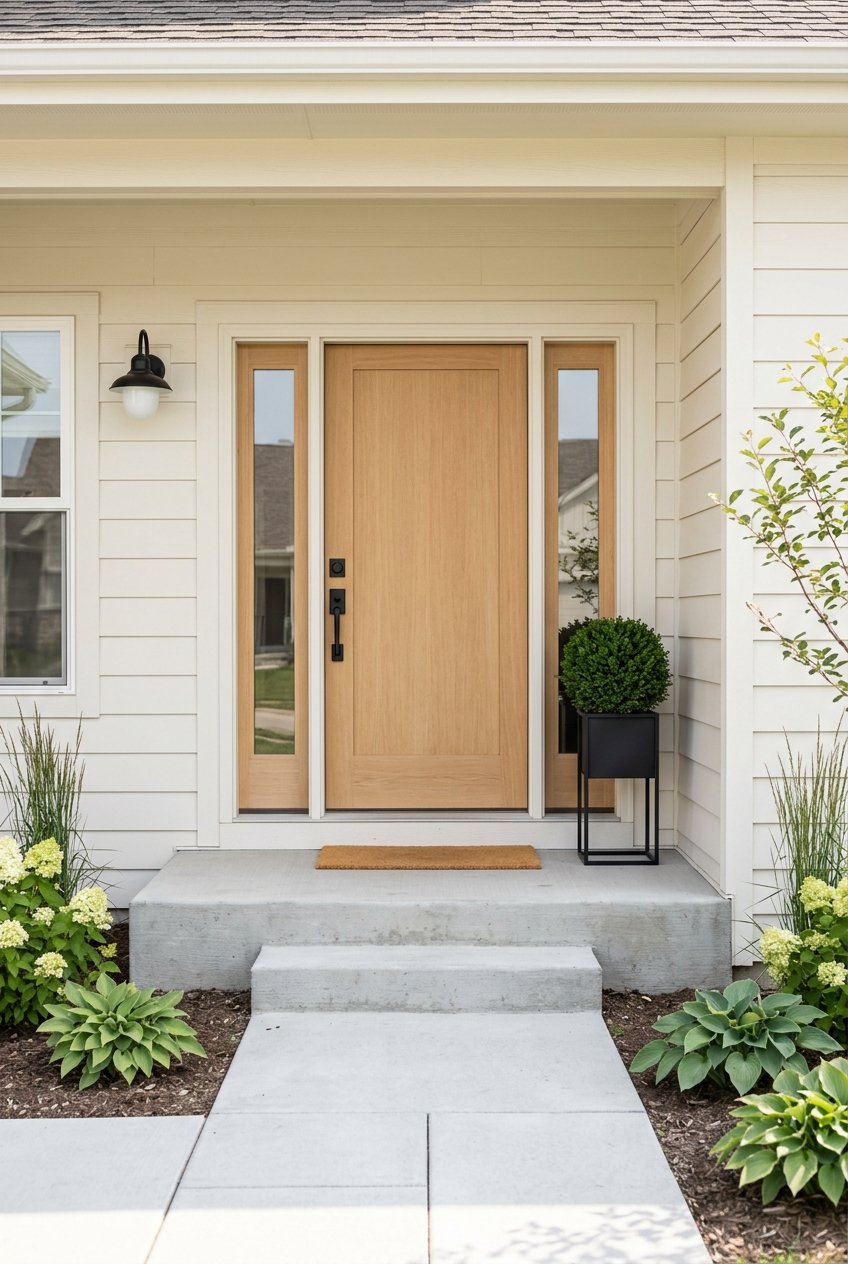
Your entry sets the tone before a buyer sees anything else. Clear out extra furniture, trim down decor, and make the path into the home feel open and easy to follow. If buyers can read the space quickly, they are more likely to feel comfortable right away.
In the living room, keep the layout simple and balanced. Remove pieces that block movement or make the room feel tight. A neutral, uncluttered setup helps buyers focus on the room itself instead of your day-to-day life.
Kitchen
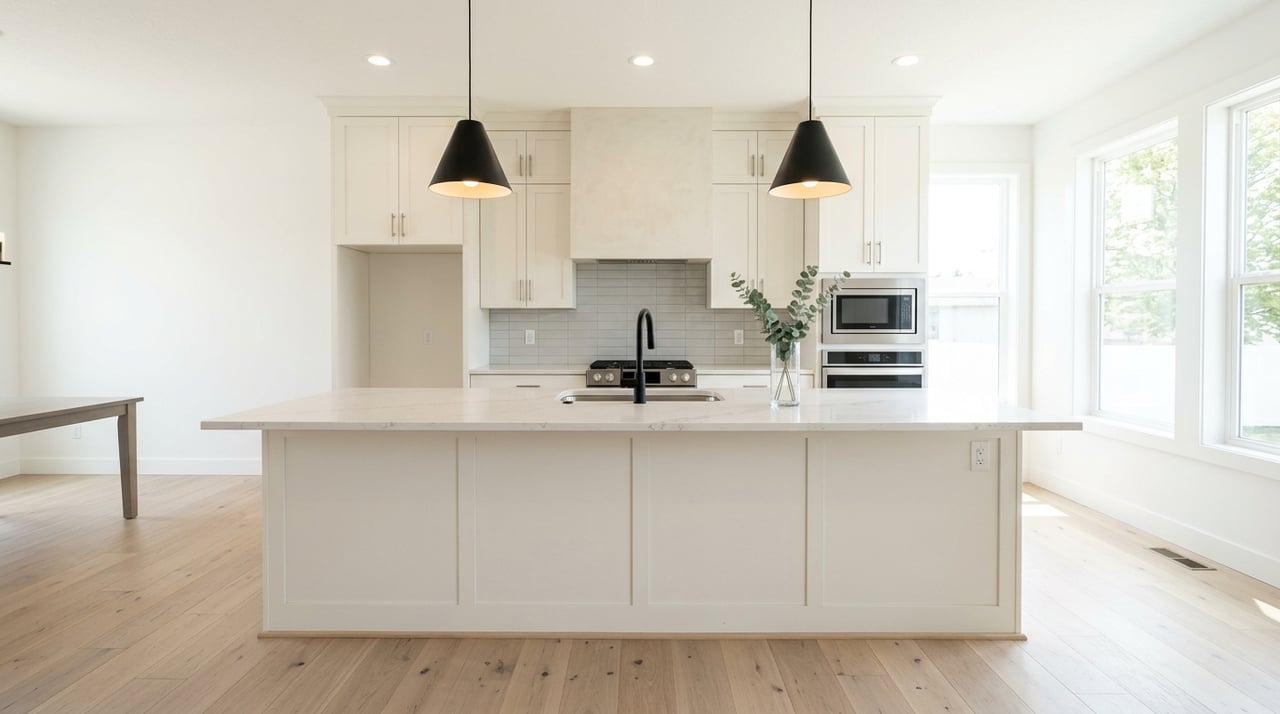
The kitchen does not need a full remodel to make a strong impression. Buyers often respond well to a space that feels clean, maintained, and ready to use. Clear the counters, deep-clean appliances, and take care of worn caulk, loose hardware, or chipped paint before photos are scheduled.
These are small items, but they send a clear message. When the kitchen looks cared for, buyers often assume the rest of the home has been cared for too.
Primary bedroom and secondary bedrooms
Bedrooms should feel calm and spacious. Simplify bedding, remove extra furniture, and cut back on personal items so the room feels larger and less busy. Open, organized closets can also help the space show better.
This matters even more in the primary bedroom, since it is one of the most commonly staged spaces. Buyers do not need dramatic design. They need a room that feels comfortable, functional, and easy to imagine as their own.
Bathrooms
Bathrooms should feel bright and freshly maintained. Clean grout, replace burned-out light bulbs, re-caulk where needed, and keep counters as clear as possible. These updates are usually low cost, but they can make the room feel far more move-in ready.
A bathroom does not have to look brand new. It just needs to look clean, cared for, and easy to maintain.
Basement, flex spaces, laundry, and garage
Extra spaces often lose buyer interest when their purpose is unclear. If you have a basement rec room, office nook, hobby area, or storage zone, define it clearly. Remove unrelated clutter and group items so the use of the space makes sense at a glance.
The same goes for the laundry room and garage. Buyers do not expect these areas to look fancy, but they do respond well when they look organized and useful.
Get the exterior ready before photos
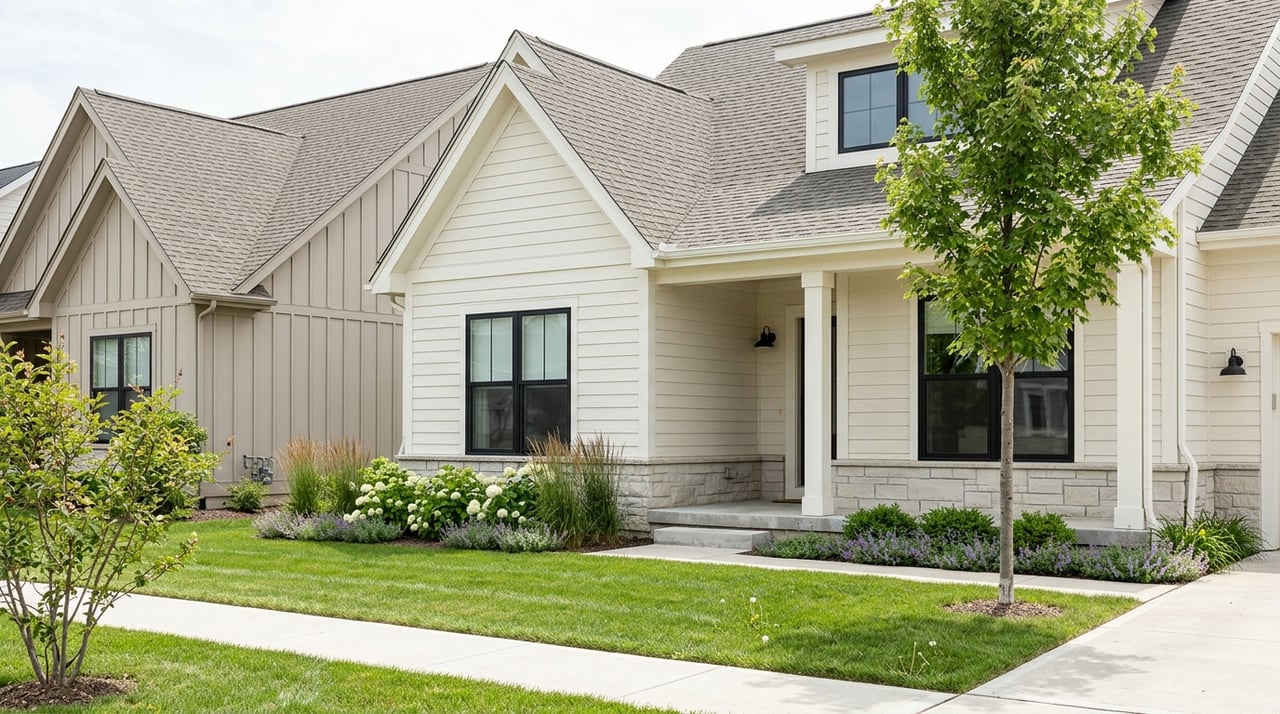
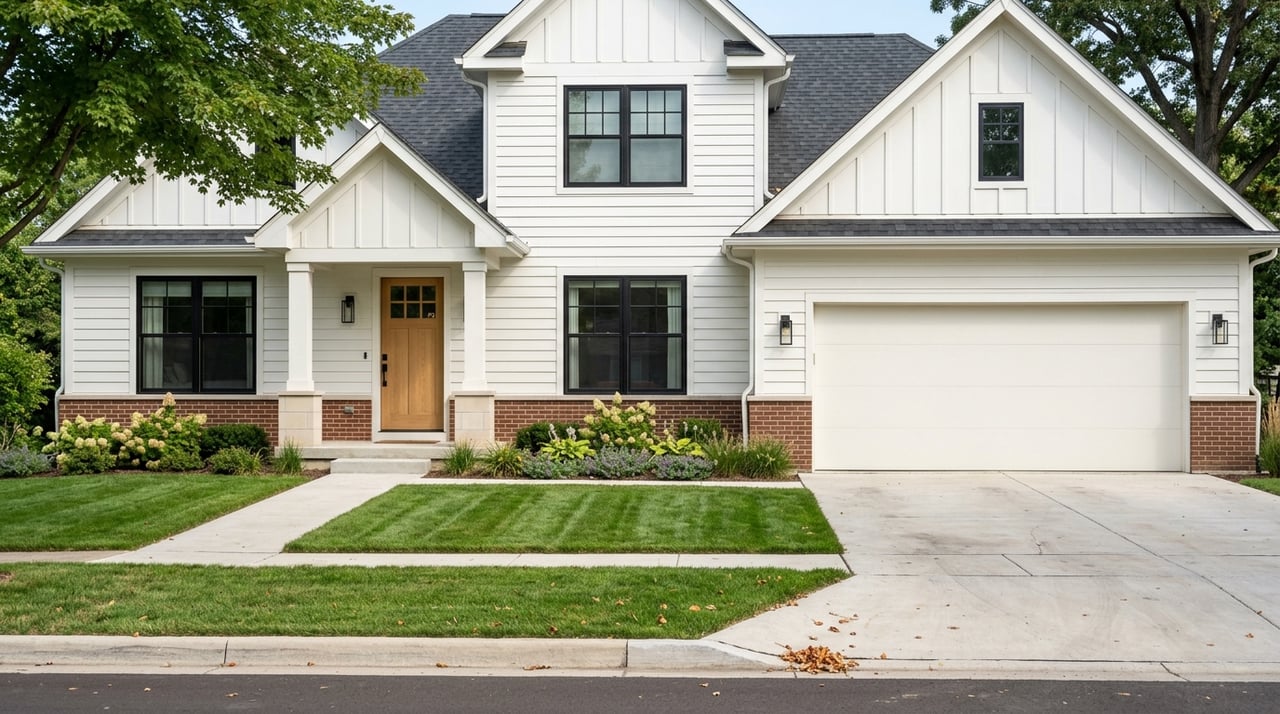
Because photos are one of the most useful features for online buyers, curb appeal matters before the photographer ever arrives. The exterior is often the first image buyers see, and it shapes whether they keep scrolling or schedule a showing.
A practical outdoor tune-up usually includes:
- Mowing the lawn
- Edging walkways and beds
- Trimming shrubs and overgrowth
- Washing visible grime from siding or concrete
- Touching up peeling trim
- Replacing weak or burned-out bulbs
- Removing hoses, bins, and seasonal clutter
These steps do not need to be expensive. They just help your home look clean, open, and ready for the market.
Use a simple prep plan
Most sellers get better results when they follow a clear order instead of trying to do everything at once. A practical sequence also helps you avoid spending money in the wrong places.
Here is a strong order of operations for a Cottage Grove listing:
- Declutter first
- Complete light repairs second
- Refresh paint and lighting third
- Tune up the exterior fourth
- Schedule photos last
This sequence lines up with staging guidance that encourages sellers to make changes early and complete them before photography. It also helps create a more consistent look across the listing, from the first exterior shot to the final room photo.
Prioritize updates that support photos
Since buyers start online, your listing photos have to do a lot of work. They should show bright, open, readable spaces that feel easy to live in. That usually means investing time in editing the scene, not over-improving the house.
In most cases, the best returns come from low-drama improvements like decluttering, cleaning, touch-up paint, fresh lighting, and simple furniture edits. A polished photo set can help buyers feel interested enough to book a showing, which is the next step that really matters.
Do not overlook Wisconsin seller disclosures
Preparation is not only about cleaning and staging. In Wisconsin, sellers should also be ready for required disclosure steps.
For one-to-four dwelling units, Wisconsin law requires owners to provide buyers with a Real Estate Condition Report, with some exceptions. The state form points sellers toward disclosures related to items such as the roof, basement, foundation, electrical system, wells, septic systems, fuel tanks, zoning, permits, and other property issues.
If your home was built before 1978, lead-based paint rules also apply. Wisconsin DHS states that sellers, landlords, or sales agents must provide the EPA lead pamphlet, disclose any known lead hazards, and give buyers a 10-day period to obtain a lead-based paint inspection or risk assessment.
Getting organized early can make the listing process smoother. If you already know there are condition items a buyer may ask about, it helps to gather information before your home goes live.
Think like a buyer, not just a homeowner
When you live in a home every day, it is easy to stop noticing the details. Buyers see those details right away. They notice how open the living room feels, whether the kitchen looks maintained, and whether a bonus room has a clear purpose.
That is why practical prep matters. In a market where buyers are comparing several homes over multiple weeks, the listings that feel clean, simple, and easy to understand often make the strongest impression.
A strong sale usually starts with smart decisions before the sign goes in the yard. If you want practical advice on pricing, preparation, and what updates are worth doing before you list in Cottage Grove, connect with Fred Van Buren for straightforward local guidance.
FAQs
What should sellers in Cottage Grove do before listing a home?
- Start by decluttering, then handle light repairs, refresh paint and lighting, improve curb appeal, and schedule listing photos after the home is fully ready.
Why do listing photos matter for Cottage Grove home sales?
- Buyers usually begin their search online, and photos are one of the most useful website features for most buyers, so strong images can help your home earn more attention early.
Which rooms matter most when preparing a Cottage Grove home for buyers?
- The living room, primary bedroom, dining room, kitchen, and bathrooms are key spaces to focus on because they shape both photos and in-person impressions.
Do sellers in Wisconsin need to provide a Real Estate Condition Report?
- Yes, owners of one-to-four dwelling units generally must provide a Real Estate Condition Report, though some exceptions apply under Wisconsin law.
What if a Cottage Grove home was built before 1978?
- Sellers must follow lead-based paint disclosure rules, including providing the required pamphlet, disclosing known lead hazards, and allowing buyers a 10-day period for an inspection or risk assessment.