Are you trying to decide between Waunakee and Middleton and wondering which gives you more home for your money? You are not alone. Price per square foot can be a handy starting point, but it can also be confusing if you do not account for home size, age, lot, and finishes. In this guide, you will learn how to read price per square foot the right way, what drives differences between these two Dane County markets, and how to compare homes fairly. Let’s dive in.
Price per square foot, defined
Price per square foot (PPSF) is the sale price divided by the square footage of finished living area. The first step is choosing the square footage basis and stating it clearly.
- Above‑grade finished area only. This is the most common approach and best for apples‑to‑apples comparisons across resales.
- Above‑grade plus finished basement. Useful in markets where lower levels are finished, but you must verify what counts as finished area.
- Gross living area. This is a specific appraisal definition. Always confirm how it is measured before you compare.
A simple example: if a 2,000 square foot home sells for $600,000, PPSF is $300. That gives you a quick benchmark to compare two similar homes.
How to compare Waunakee vs. Middleton fairly
Before you draw conclusions from PPSF, set ground rules so you are comparing like with like.
1) Lock in your measurement rules
- Use the same square footage basis for both towns. Most buyers use above‑grade finished area.
- Confirm whether lower‑level space is counted and whether it is truly finished to living standards.
2) Choose property types and filters
- Focus on single‑family detached homes if that is your target. Exclude condos and townhomes unless you are comparing those specifically.
- Use a rolling 12‑ to 24‑month window so you have enough data and reduce seasonal noise.
3) Segment by size and age
- Size bands matter because smaller homes often show higher PPSF than larger ones. Try bands such as under 1,800 square feet, 1,800 to 2,800, and over 2,800.
- Year‑built bands reduce mix‑shift issues. Consider pre‑1980, 1980 to 2009, and 2010 or newer.
4) Remove outliers and disclose counts
- Exclude atypical sales such as estate lots, farm properties, or highly customized luxury and acreage homes. Analyze them separately if they are relevant to you.
- Use median PPSF and show sale counts for each group. Medians are more reliable than averages when a few sales can skew results.
Local context: Waunakee
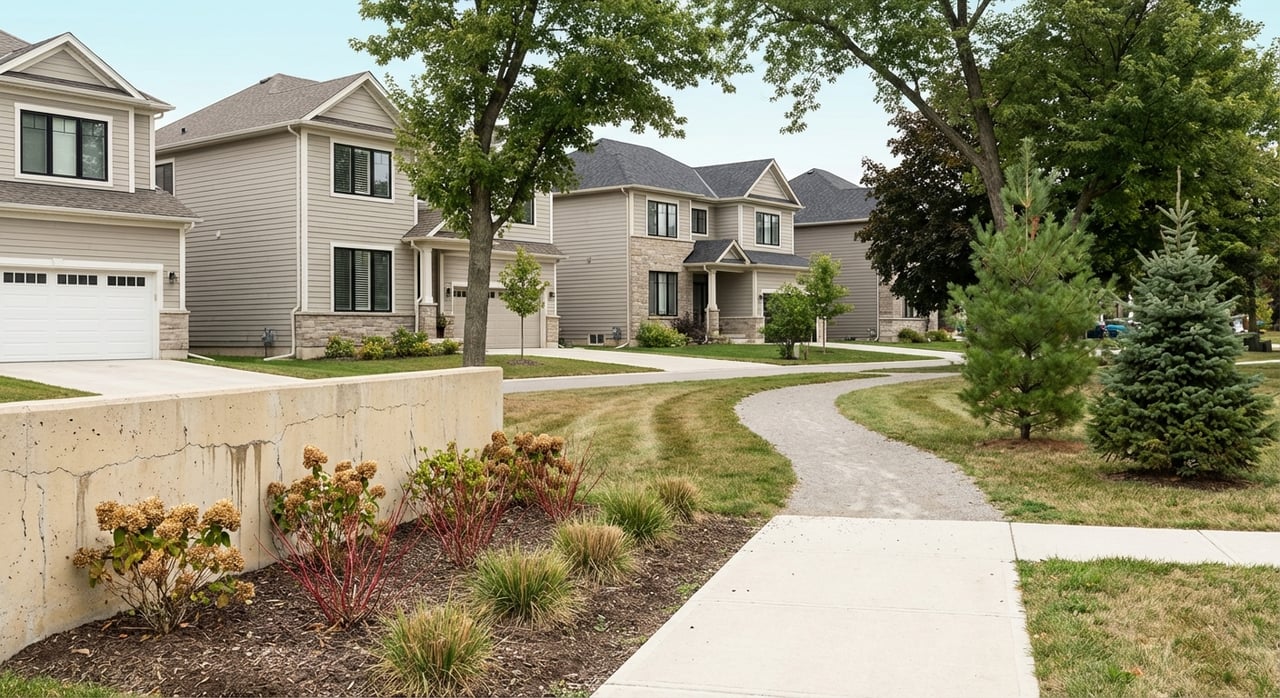
Waunakee has seen notable growth in recent decades, with a strong mix of newer subdivisions. You will find many homes with modern layouts, energy‑efficient features, and larger footprints. Newer homes often carry a per‑square‑foot premium for updated finishes, although very large homes can show a lower PPSF than smaller ones with higher‑end details.
Lot sizes in parts of Waunakee can be larger. That can reduce PPSF because more of the total price reflects land value rather than finished square footage. Many buyers also consider proximity to parks, trails, and community amenities during their search, which can influence PPSF from neighborhood to neighborhood.
The area is served by the Waunakee Community School District. School district boundaries and municipal services are factors some buyers evaluate, which can shape local demand and pricing patterns.
Local context: Middleton
Middleton sits closer to west and central Madison and the University area, which can increase demand from commuters seeking shorter trips. You will see a mix of established neighborhoods, infill, and remodeled homes. Infill locations and smaller lots near core amenities can support higher PPSF for comparable size and condition.
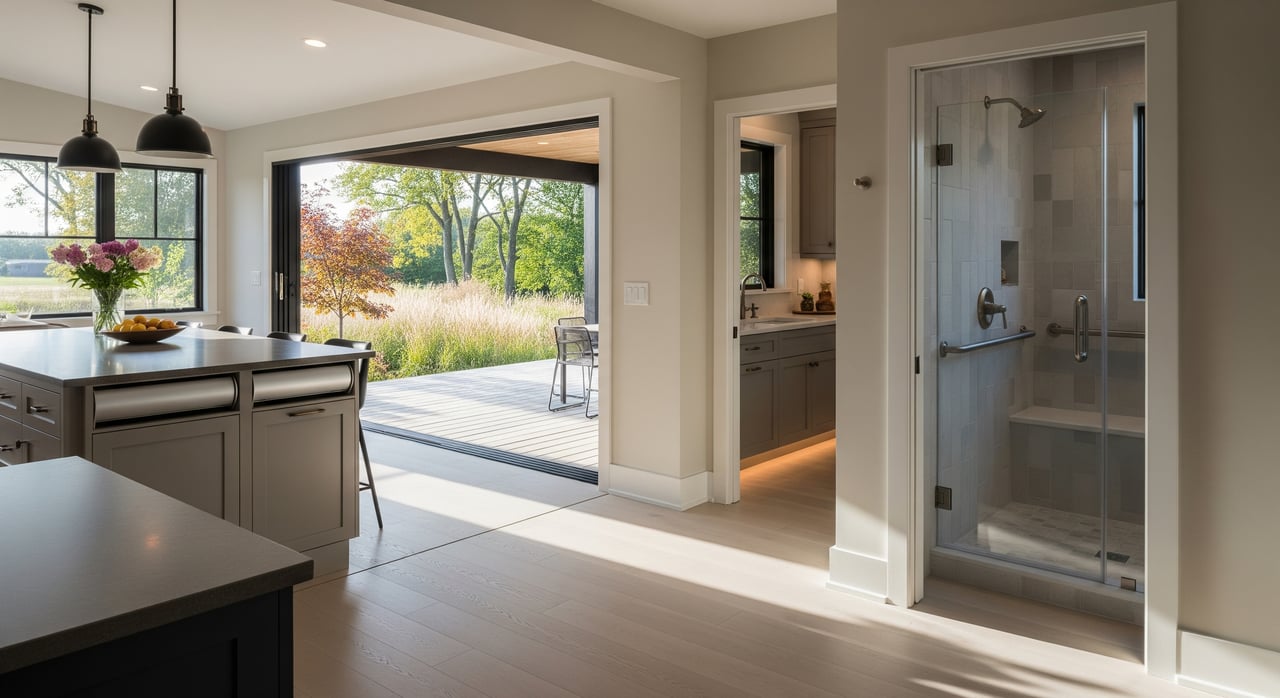
Because many Middleton homes are in mature neighborhoods, renovations and layout updates play a key role in PPSF. A well‑executed kitchen, bath, or primary suite remodel can lift a home’s PPSF significantly, even if the home is not larger. Buyers also weigh access to retail, dining, and trail networks, which often shows up in neighborhood‑level PPSF.
The area is served by the Middleton‑Cross Plains Area School District. As with Waunakee, buyers often review district boundaries alongside neighborhood and commute needs.
What PPSF can tell you
PPSF is most useful when you compare similar homes across similar neighborhoods.
- It gives you a quick, relative read on market intensity across size and age bands.
- It helps you flag neighborhoods where values per square foot are rising or softening.
- It is a good starting point for move‑up buyers who are balancing size, finishes, and location.
What PPSF cannot tell you
PPSF alone can lead you astray if you do not adjust for key factors.
- It does not capture finish quality, materials, or warranty coverage. Two homes with the same PPSF may live very differently.
- It ignores lot value and outdoor space. Larger lots can reduce PPSF even when total price is higher.
- It does not account for layout efficiency and room count. A smart floor plan can command stronger offers.
- It is descriptive, not predictive. PPSF shows what sold, not what will appreciate next.
Move‑up buyer takeaways
If you are choosing between Waunakee and Middleton, start with your daily life needs, then use PPSF to compare within the right bands.
- Define your must‑haves: bedroom count, yard size, commute target, and willingness to remodel.
- Compare median PPSF by size and age that match your target homes. Smaller, closer‑in homes may have higher PPSF but total price could be similar to a larger home with lower PPSF farther out.
- Look at finished lower levels separately. A high‑quality finished basement that adds living space without changing above‑grade square feet can change the value equation.
- Recheck PPSF every 30 to 90 days while you shop so you keep up with new comps.
Seller takeaways
Use PPSF as a pricing anchor, then adjust for what buyers value most in your micro‑market.
- Start with a local comparable set matched to your size, year built, and location. Use median PPSF, then layer on condition and upgrades.
- Prioritize improvements that drive total price and buyer appeal in your area, such as kitchen and baths, primary suite livability, and a functional finished lower level.
- Do not price strictly by PPSF. Account for lot, layout, and recent remodels in the most relevant comps.
- Update your pricing view every 30 to 90 days. Markets shift with inventory and seasonality.
Step‑by‑step: build your side‑by‑side PPSF view
Follow this simple process to create a clear, comparable picture.
- Define your scope
- Property type: single‑family detached.
- Square footage basis: above‑grade finished area.
- Time window: last 12 months, with a 24‑month view for context.
- Set your bands
- Size bands: under 1,800, 1,800 to 2,800, over 2,800 square feet.
- Age bands: pre‑1980, 1980 to 2009, 2010 or newer.
- Clean the data
- Remove atypical sales such as farm parcels and highly customized luxury acreage.
- Check for builder incentives or closing cost credits that could distort PPSF.
- Summarize the results
- Calculate median PPSF for each size and age band in Waunakee and Middleton.
- Show interquartile ranges so you can see the spread, not just the middle.
- List the number of sales for each cell and flag any group with fewer than 20 sales.
- Interpret with local context
- Compare like neighborhoods first. Consider proximity to amenities, commute routes, and outdoor assets.
- Review lot sizes and whether lower‑level space is finished and comparable in quality.
- Decide with confidence
- Pair PPSF with median sale price so you understand both per‑foot value and total budget.
- Shortlist homes and neighborhoods that fit your life first, then validate the numbers with a local CMA.
When PPSF misleads: edge cases to watch
Keep an eye out for situations where PPSF alone is not a good guide.
- Very small or very large homes. PPSF tends to be higher at the small end and lower at the large end.
- Heavy remodels or new construction. High‑end finishes and warranty value can raise PPSF beyond the norm.
- Unique lots. Water views, trail adjacency, or extra‑wide parcels can shift value away from the square footage calculation.
- Teardowns and infill. Redevelopment potential can inflate land value, which does not show up in PPSF.
How we approach PPSF for clients
For buyer and seller clients, we use a transparent, apples‑to‑apples method. We standardize on above‑grade finished area unless the lower level is finished to a comparable standard, focus on single‑family resales, and build size and age bands so you can see true neighborhood patterns. We report medians, show spreads, disclose sample sizes, and call out outliers such as acreage or highly customized homes. The goal is a grounded view that supports a clear decision, not just a number.
If you want a tailored comparison for Waunakee and Middleton that reflects your specific budget, size target, and finish preferences, we can assemble a side‑by‑side PPSF brief and a full comparable market analysis to guide next steps.
Ready to make your move with clarity? Reach out to Fred Van Buren for a local, construction‑savvy PPSF review and a pricing or purchase plan that fits how you live.
FAQs
Does a higher price per square foot mean a town is more expensive overall?
- Not always. PPSF measures value per square foot, while total cost depends on home size, lot, and features. Review median sale price alongside PPSF before deciding.
How should a move‑up buyer compare Waunakee and Middleton using PPSF?
- Start with your must‑haves, then compare median PPSF within the same size and age bands for both towns. Balance commute, yard needs, and remodel tolerance.
Can remodeling increase my home’s price per square foot in these markets?
- It can when upgrades raise sale price more than their cost. Kitchen, bath, primary suite, and quality lower‑level finishes tend to influence buyer demand most.
Should I price my home strictly by price per square foot?
- No. Use PPSF as one input. Adjust for lot, layout, condition, and recent local comps. A tailored CMA provides a more precise price range.
How often should I recheck PPSF while shopping or preparing to list?
- Revisit every 30 to 90 days. Use a rolling 12‑month view for trend context and a 30‑ to 90‑day snapshot for current activity so you capture new comps.