Trying to decide between living in Madison or moving to a nearby suburb like Sun Prairie, Verona, or Cottage Grove? The day-to-day rhythm feels different in each place. You want the right mix of commute, space, amenities, and costs without surprises. In this guide, you’ll see how daily life really compares so you can choose with confidence. Let’s dive in.
Commute and transportation
If you work in or near downtown or the UW–Madison area, living in the city often means shorter, simpler commutes. Many in-town residents report sub‑20 minute drives, and some bike, walk, or use Madison Metro Transit. The city’s bike paths and lanes make two-wheel commuting realistic, especially inside the Beltline and near the Capitol.
From the suburbs, many residents drive into Madison for work. Typical drive times from Sun Prairie, Verona, or Cottage Grove into downtown often range from about 15 to 35 minutes depending on your exact start point and traffic. Peak congestion can build on US‑151, Highway 30, and other arterials, and hybrid work can reduce how often you make that trip.
Fixed-route transit is strongest in the city. Suburban options are more limited, though some park-and-ride and express or demand-response services exist and continue to evolve. If transit matters to you, confirm current routes and schedules for your specific neighborhood.
Parking, driving, and getting around
In Madison, expect more street parking and residential permit zones, plus some homes without off-street spaces. You may use a mix of walking, biking, rideshare, and buses to get around. In the suburbs, parking is easier with driveways and attached garages. You will likely rely on a car for most errands.
Errands and amenities
Madison places a wide range of grocery stores, co-ops, specialty shops, and restaurants within a short radius. You also have frequent farmers’ markets, including a large downtown market, and multiple retail centers. If you enjoy trying new spots or picking up specialty items on a weeknight, city living makes that convenient.
In Sun Prairie, Verona, and Cottage Grove, you will find local grocery anchors and shopping centers that cover daily needs. Dining choices are growing, but the selection is smaller than in the city. For a broader mix of restaurants, entertainment, and specialty retail, many suburban residents head into Madison.
Healthcare access
Major regional healthcare hubs are concentrated in Madison, including the UW Health system and other hospitals and clinics. Suburban residents often use local primary or urgent care close to home, then travel into the city for specialists or advanced care. If proximity to a hospital matters for work or health, factor that into your location choice.
Parks, lakes, and recreation
Madison sits among lakes Mendota, Monona, Waubesa, and Kegonsa and maintains a robust park system. You can reach water, trails, museums, theaters, live music, and university events with short trips. Suburbs offer neighborhood parks, newer playgrounds, and regional trail connections that link back to Madison. For larger lakes and cultural venues, you will often drive into the city.
Housing styles and space
City neighborhoods offer a mix of historic homes, mid-century houses, condos, apartments, and new infill townhomes. Lots tend to be smaller, and homes sit closer to sidewalks, shops, and transit. If you value character, walkability, and a compact footprint, this fits well.
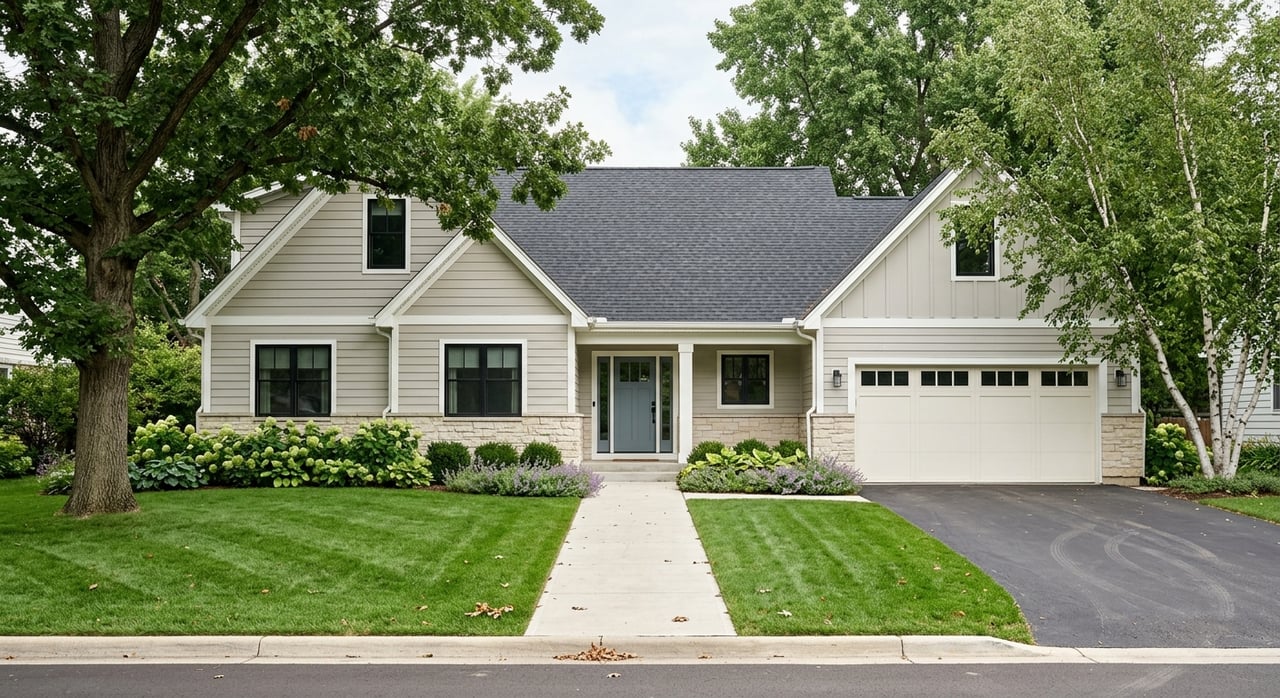
Sun Prairie, Verona, and Cottage Grove feature newer subdivisions with modern floor plans, larger yards, and attached garages. New construction is common, including spec homes and planned communities. If you want more indoor and outdoor space or prefer newer systems and finishes, these suburbs deliver that.
Costs, taxes, and maintenance
Prices shift with demand, but a common pattern is more square footage and yard for a similar budget in the suburbs, especially compared to highly walkable Madison neighborhoods. Desirable suburbs like Verona can command premiums, and in-town hotspots can also price higher per square foot. For the most current numbers, review recent local sales and inventory.
Property taxes vary by municipality and school district. Your final bill depends on the city or village rate and the district levy. Always review recent tax bills and rates for the specific address you are considering.
Think about maintenance. A larger suburban yard usually means more exterior work or HOA dues in certain developments. In-town condos and apartments shift exterior upkeep to associations or landlords, while single-family homes require owner care regardless of location.
Schools and childcare
School districts differ across the area. Madison neighborhoods are served by the Madison Metropolitan School District, while Sun Prairie, Verona, and Cottage Grove are served by their respective districts. Ratings, enrollment, and boundaries change over time, and some districts have added schools to meet growth. For accurate comparisons, check current district and school report cards, enrollment trends, and any planned boundary updates. Childcare availability can be tight across the region, so confirm waitlists early.
Who tends to prefer each
Every buyer is different, but certain patterns show up when you weigh commute, space, and lifestyle.
- Choose Madison if you want the shortest trip to downtown or campus jobs, strong transit and bike options, and quick access to restaurants, events, and cultural venues.
- Choose a Dane County suburb if you want more square footage, a larger yard, newer construction, attached garages, and quieter residential streets with community programming.
Hybrid work can change the equation. If you commute fewer days per week, the extra space and yard in a suburb may outweigh a longer drive on the days you do go in.
Biking and walkability
Madison consistently ranks as a bike-friendly city, with extensive lanes and off-street paths. Many in-town neighborhoods are walkable to shops and services. Suburbs generally have sidewalk networks inside subdivisions and regional trails that connect to Madison, but you may still drive for many errands. If daily walking or biking is a priority, map your likely routes before you decide.
Real-life scenarios
- You want to bike to a UW–Madison job and catch shows or games on weeknights. You may value an in-town neighborhood with strong transit and nearby amenities.
- You need a modern floor plan, more bedrooms, or an expanded home office. Newer homes in Sun Prairie, Verona, or Cottage Grove often provide that, with the trade-off of a car-first lifestyle.
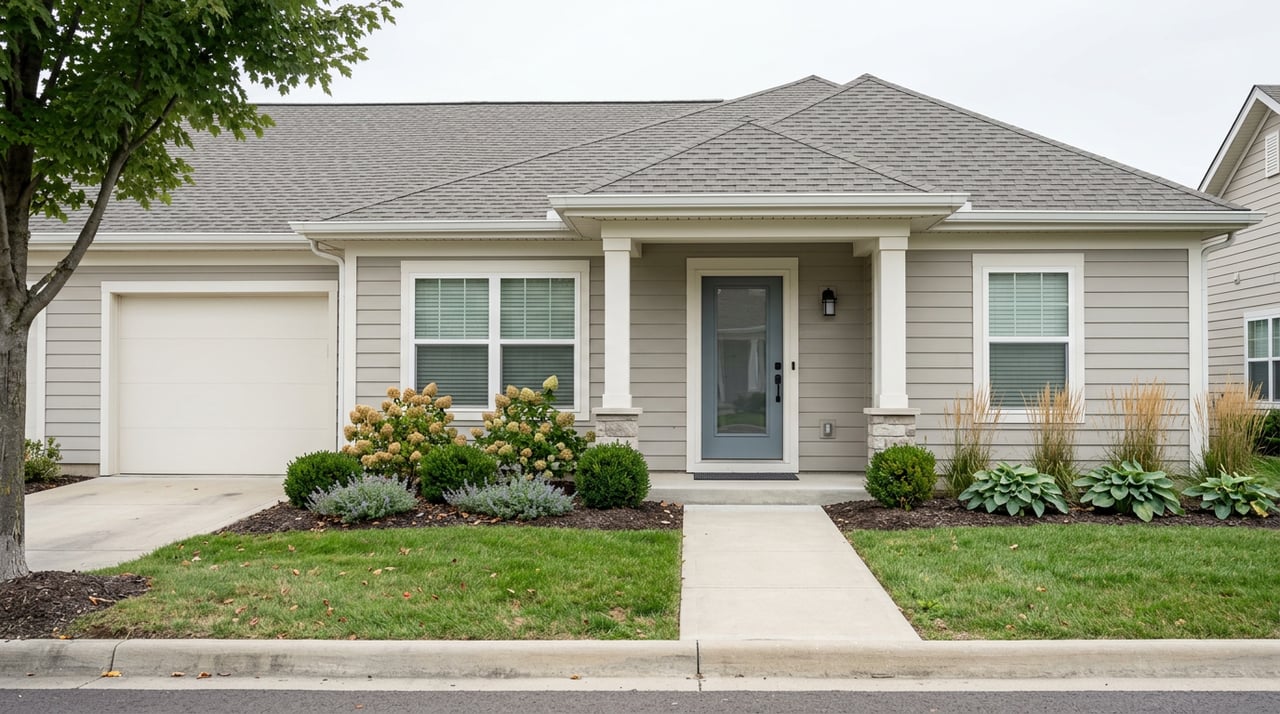
- You are planning to downsize and prefer single-level living with fewer steps. Look for single-level condos, ranch homes, and townhomes. These are common in newer suburban developments and also appear in select Madison neighborhoods.
Practical comparison checklist
Use this quick list to test your fit in specific neighborhoods and homes:
- Commute test: Drive your route during actual rush hours in both directions. If you plan to bike or use transit, try those trips too.
- Transit and park-and-ride: Confirm current routes, schedules, and park-and-ride locations that serve your area.
- School research: Review Wisconsin Department of Public Instruction report cards, district pages, and enrollment plans. Ask about any upcoming boundary changes.
- Pricing and taxes: Compare recent sales for similar homes and check the latest municipal tax rates and recent bills for the address.
- Monthly cost view: Include mortgage, property tax, insurance, HOA dues if any, utilities, and maintenance.
- Utilities and services: Confirm city or village water and sewer billing. In fringe areas, verify if homes are on municipal services or septic.
- Zoning and growth: Review comprehensive plans and development maps for planned subdivisions, commercial areas, or infrastructure projects.
- Winter routines: Check snow removal policies, parking rules, and plowing schedules for your street.
The bottom line
Both choices work well depending on your day-to-day priorities. Madison offers shorter commutes, strong bike and transit options, and fast access to culture and healthcare. The suburbs offer more space, newer homes, easy parking, and neighborhood parks and trails. Focus on how you spend weekdays, where you will go most often, and what trade-offs make sense for your lifestyle.
Ready to compare specific neighborhoods, new builds, or potential sale prices for your current home? Partner with Fred Van Buren for practical local guidance, construction-savvy advice, and clear next steps.
FAQs
How do commute times compare from Sun Prairie, Verona, or Cottage Grove to downtown Madison?
- Many suburban commutes by car fall in the 15 to 35 minute range depending on the start point and traffic, while many in-city commutes are shorter and may include transit, biking, or walking.
Is public transit a realistic option from the suburbs into Madison?
- Transit is more limited outside the city, though some express, demand-response, and park-and-ride options exist; most suburban residents still rely on cars for daily travel.
Do suburban homes usually offer more space than in-town Madison homes?
- Often yes; newer subdivisions in Sun Prairie, Verona, and Cottage Grove tend to feature larger floor plans, attached garages, and bigger lots compared to many in-town homes.
How do schools compare between Madison and nearby suburbs?
- Districts vary; review current Wisconsin Department of Public Instruction report cards, district pages, and enrollment trends rather than relying on reputation alone.
Will I lose access to healthcare and shopping if I move to a suburb?
- Daily needs are met locally in most suburbs, but many residents travel into Madison for specialty medical care and a wider range of dining, retail, and cultural options.
How do property taxes and monthly costs differ between Madison and the suburbs?
- Taxes vary by municipality and school district; compare recent tax bills for specific addresses and build a full monthly budget that includes HOA dues, utilities, and maintenance.