If your current home is starting to feel like more work than comfort, you are not alone. In Oregon, Wisconsin, many homeowners are thinking ahead about how to make daily life easier without giving up the community connections they value. The good news is that an age-friendly move is not just about downsizing. It is about finding a home and location that support your independence, safety, and routine for years to come. Let’s dive in.
What an age-friendly home really means
An age-friendly home is not simply a smaller home. A compact house can still be hard to live in if it has stairs, narrow hallways, difficult bathrooms, or exterior upkeep that becomes tiring over time.
On the other hand, a larger home can still work well if the layout is forgiving and everyday spaces are easy to reach. Guidance from HUD’s home modification resources shows that practical updates often focus on comfort, convenience, safety, and fall prevention.
In real life, the most useful features often include:
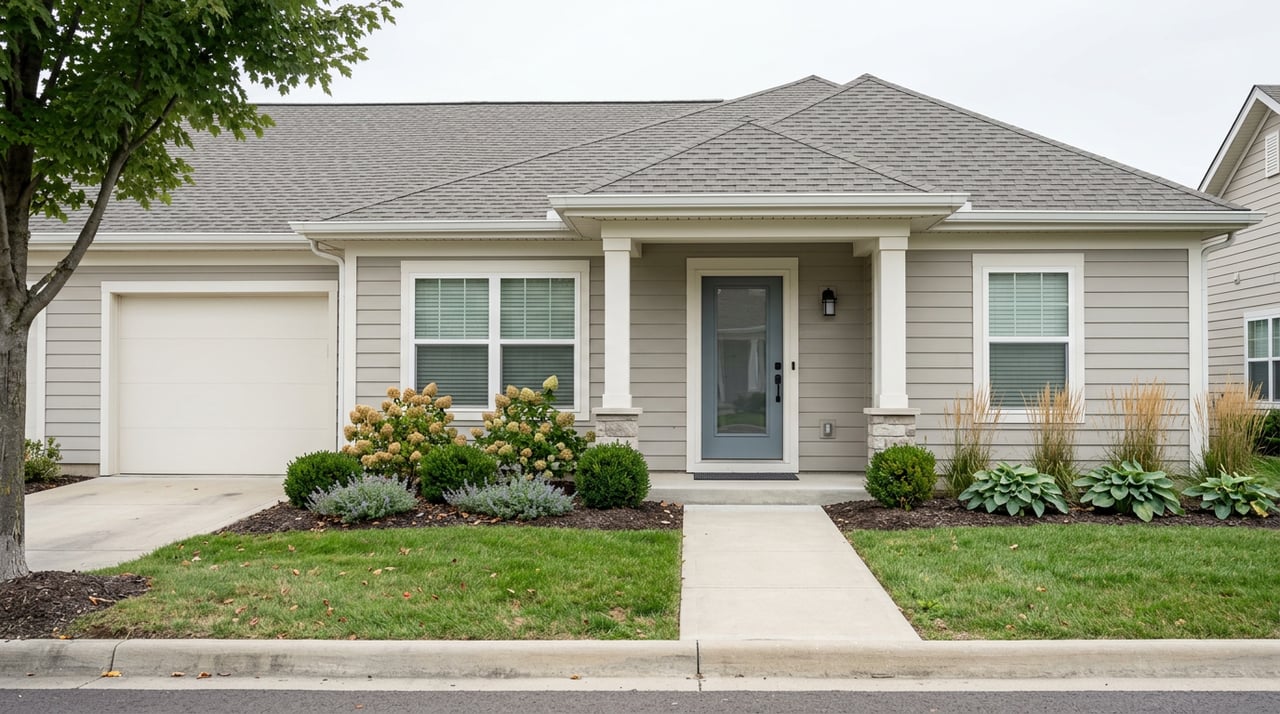
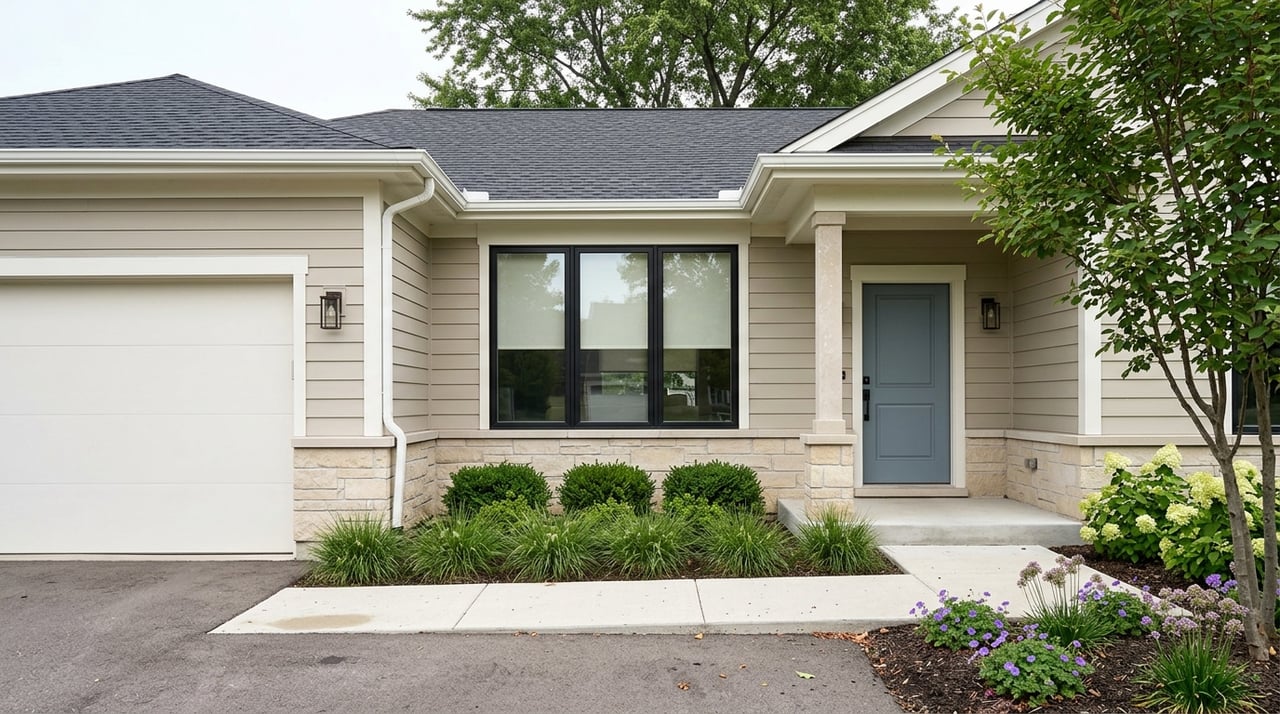
- No-step or easier entry
- Main-level living
- Fewer stairs in daily routines
- Bathrooms that are easier to navigate
- Low-maintenance exterior care
- Good lighting and reduced trip hazards
That is why it helps to think beyond square footage. The better question is whether a home will support how you want to live now and later.
Why Oregon is worth considering
Oregon offers a useful mix of established neighborhoods, local services, and future housing growth. According to U.S. Census QuickFacts for Oregon village, 12.9% of residents are age 65 and older, and owner occupancy is 72.4%.
Local planning also points toward a growing need for housing that fits changing mobility and lifestyle needs. The village notes that the 65+ population is projected to rise by 29% over the next 20 years, and its planning efforts call for more accessible housing options in walkable areas near services and daily needs, as outlined on the new senior center facility page.
That matters if you are trying to decide whether to stay, remodel, or move. Oregon is still largely made up of owner-occupied, single-family homes, but the village’s 2025 housing report shows room for more compact and lower-maintenance housing over time.
Signs your next move should be age-friendly
You do not need to wait for a major life event to think about your next move. In many cases, the best time to plan is before the house becomes difficult to manage.
A move may be worth considering if:
- You use stairs constantly during the day
- Bathroom layouts are becoming awkward or limiting
- Yard work or snow removal feels burdensome
- Home maintenance is taking more time or money than you want
- Driving everywhere is becoming less convenient
- You want to be closer to healthcare, services, or social activities
The goal is not to overreact. It is to notice when your current home no longer fits your routine as well as it once did.
Stay, remodel, or move?
This is usually the real question. And the right answer depends on your house, your budget, and what kind of daily life you want.
Stay if your home already works well
If your main living spaces are easy to use, stairs are manageable, and your support network is strong, staying put may make sense. The National Institute on Aging home safety checklist recommends reviewing lighting, tripping hazards, handrails, and entry access before a fall or injury forces a decision.
In other words, if your home already has a workable layout, small changes may go a long way.
Remodel if the location still fits
Sometimes the house is close to what you need, but one or two problem areas keep getting in the way. In that case, remodeling can be a smart middle path.
According to HUD’s guidance on home modifications, updates can often be phased in during regular repair and replacement cycles. That can make improvements feel more manageable if you want to stay in a familiar part of Oregon.
Move if maintenance and layout are the problem
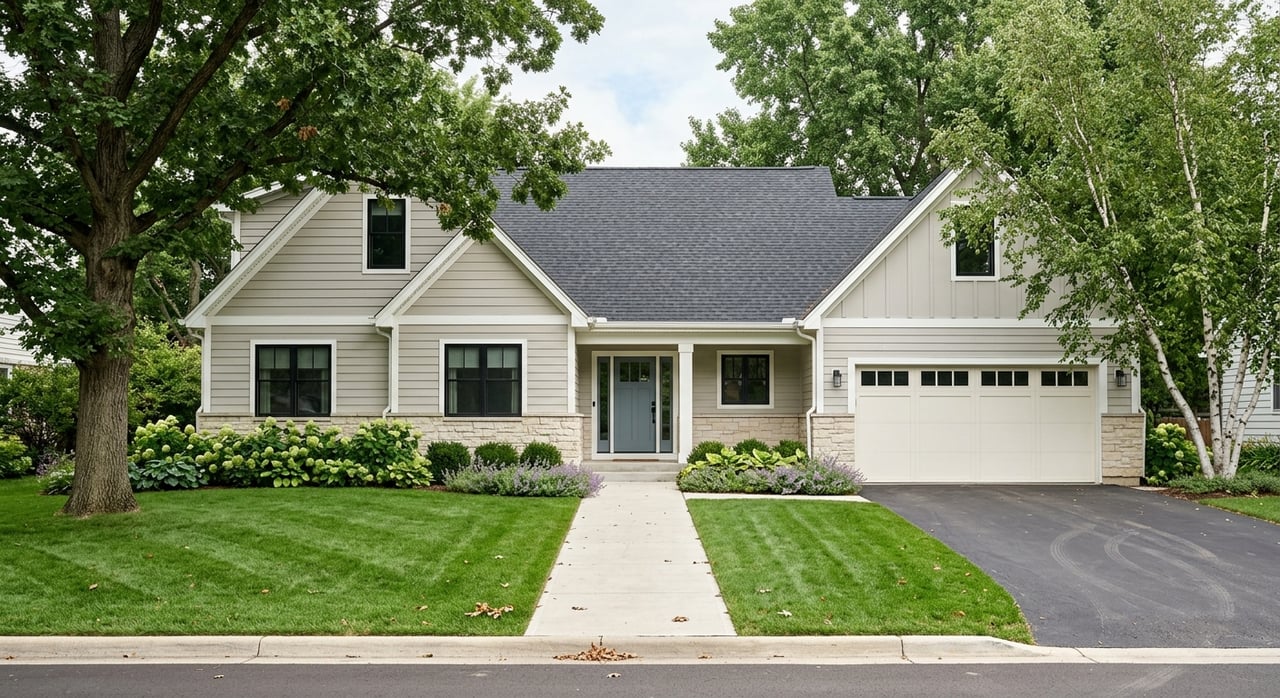
If the home would need major structural changes, or if upkeep has become a constant chore, moving may be the more practical option. This can be especially true if a lower-maintenance condo, townhome, ranch, or smaller detached home would reduce stress and simplify daily life.
Oregon’s current housing stock is still dominated by detached homes, but the village housing report points to future opportunities for redevelopment and more varied housing types. For some homeowners, that creates a better path than investing heavily in a house that no longer fits.
Features to prioritize in your next home
When you tour homes, it helps to focus on function first. Cosmetic details can change later, but layout and access are harder to fix.
Entry and layout
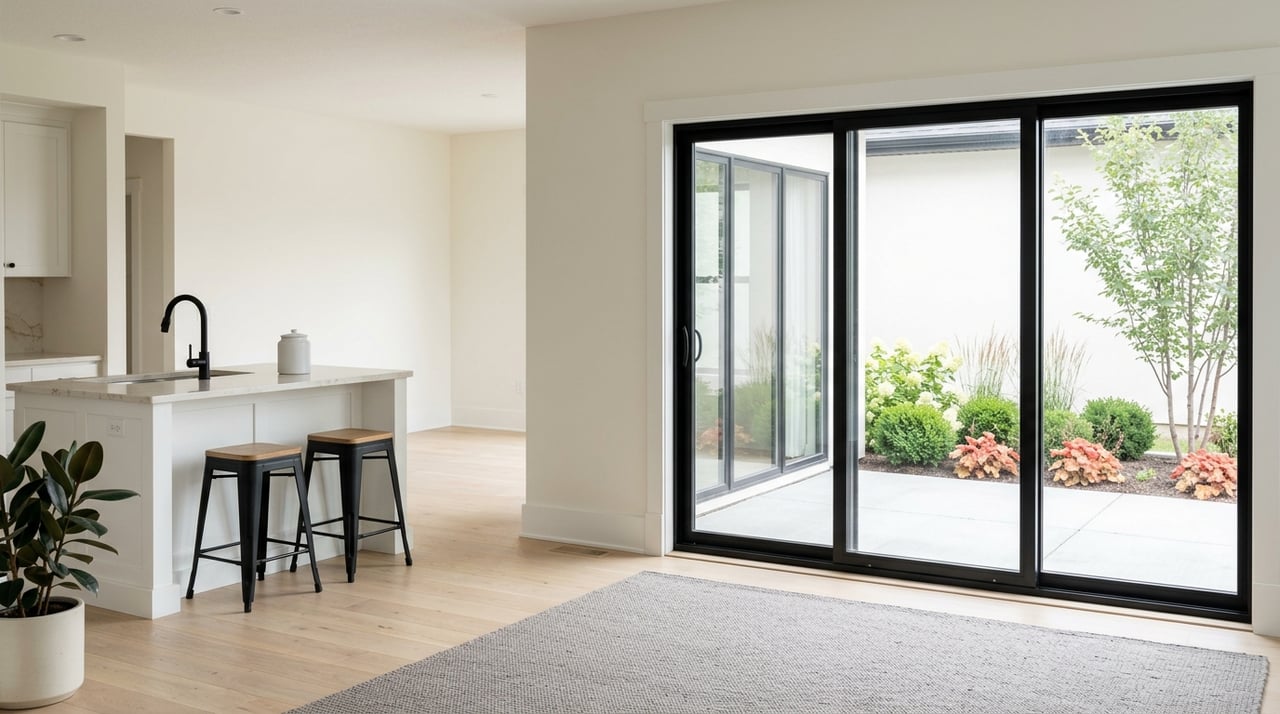
Look for homes that reduce your dependence on stairs. Main-level living, easier entry, and a layout that keeps kitchen, bedroom, laundry, and bath on one floor can make a major difference.
Bathroom usability
Bathrooms are one of the most important areas to evaluate. HUD and related federal guidance highlight practical features such as grab bars, railings, handheld shower heads, shower transfer benches, raised toilet seats, lever handles, and non-slip surfaces as useful tools for safety and ease of use.
Exterior maintenance
A beautiful home can still be the wrong fit if outdoor upkeep is too demanding. Think carefully about lawn care, snow removal, exterior repairs, and whether the property will feel easy to manage in every season.
Lighting and fall prevention
Good lighting, fewer cluttered pathways, secure handrails, and non-slip surfaces can make daily life feel much easier. These details may sound simple, but they often have a big impact on comfort and confidence at home.
Why location matters as much as the house
An age-friendly move is not only about what is inside the home. Your location can shape how easy it is to stay active, get help when needed, and remain connected to the community.
In Oregon, the Oregon Area Senior Center offers services designed to help older adults remain independent in their homes and communities. Those services include outreach and case management, durable medical equipment loans, home-delivered meals, rides to medical appointments, and help with Medicare, Social Security, supplement plans, and housing questions.
Transportation also matters. The village’s transportation resources page explains that local rides are available through the senior center, while Dane County’s OATA program offers scheduled, door-to-door rides with accessible vehicles for adults 60 and older and people with disabilities.
That kind of support can be just as important as a first-floor bedroom. If driving becomes less convenient later, access to rides can help preserve independence.
Daily convenience in Oregon
For many buyers, the best age-friendly move balances home design with nearby services. Oregon has several practical supports that can make day-to-day life more convenient.
The village’s park and recreation plan recommends trail and path connections between neighborhoods, parks, schools, and other destinations. The Oregon Public Library is centrally located on N. Alpine Parkway, and the village is also investing in a new senior center and community gym to better meet accessibility and space needs.
Healthcare access is another factor to weigh. Stoughton Health lists Oregon urgent care services and an Oregon rehabilitation and sports medicine clinic, while SSM Health lists an Oregon Dean Medical Group location with primary care and pharmacy services.
When you compare homes, it helps to ask not just, “Do I like this house?” but also, “Will this location make life easier?”
A practical way to evaluate your options
If you are unsure whether an age-friendly Oregon home is right for your next move, start with a simple framework:
- Review your current daily routine. Notice where stairs, upkeep, bathroom design, or transportation are causing friction.
- Identify what can be changed. Decide whether small safety updates or moderate remodeling could solve the problem.
- Compare that to moving. Look at whether a lower-maintenance home with a better layout would improve convenience and reduce stress.
- Think beyond the home itself. Consider proximity to healthcare, transportation, community resources, and everyday errands.
- Plan before you have to. The best moves usually happen when you have time to choose carefully, not when a sudden need narrows your options.
This kind of planning is practical, not pessimistic. It gives you more control over what comes next.
If you are weighing whether to stay put, remodel, or find a home that fits the next chapter a little better, a local perspective can help you sort through the tradeoffs. When you are ready to talk through your options in Oregon and the broader Dane County market, connect with Fred Van Buren for clear, practical guidance.
FAQs
What makes a home age-friendly in Oregon, WI?
- An age-friendly home in Oregon usually focuses on easier entry, fewer stairs, main-level living, safer bathrooms, better lighting, and lower exterior maintenance, along with access to transportation, healthcare, and local support services.
Should you remodel your current Oregon home or move?
- If your current home already works well and only needs targeted updates, remodeling may make sense, but moving may be the better option if the layout, stairs, or upkeep require major changes.
What local services support aging in place in Oregon, WI?
- Oregon offers support through the Oregon Area Senior Center, including rides, meals, case management, equipment loans, and help with housing and benefits, along with county transportation resources for older adults and people with disabilities.
Why does location matter for an age-friendly move in Oregon?
- Location matters because nearby transportation, healthcare, trails, parks, library access, and senior services can make it easier to stay independent and keep up with daily routines.
Are smaller homes always better for an age-friendly move?
- No, a smaller home is not always easier if it still has stairs, difficult bathrooms, or high-maintenance features, while a larger home may work well if the layout is accessible and daily living is mostly on one level.