Thinking about trimming square footage without adding stress? You are not alone. Many McFarland homeowners are weighing an easier-to-manage home, better access to care, and a simpler lifestyle. In this guide, you will get a practical plan to right-size your next place, prioritize age-friendly features, compare low-disruption selling options, and tap into local resources that make the move smoother. Let’s dive in.
Why McFarland is a smart downsizing base
McFarland is an aging and growing village, which means more neighbors are thinking about the same questions you are. The village’s recent demographic profile shows a steady increase in older age cohorts and rising owner-household counts, a helpful signal that services and community programs are likely to keep expanding for seniors and empty nesters. You can review the village’s age and household data in the latest demographic profile.
Location also matters. McFarland sits on the edge of Madison, with local shops and parks close by. Fixed-route transit is limited, which can influence whether you choose a car-dependent single-family place or a low-maintenance option closer to the village core or near Madison. For a deeper look at local access, see the McFarland Comprehensive Plan conditions and issues. If access to specialists is a priority, it is useful to know that many residents use Madison’s clinics and hospitals; you can scan nearby options using hospital listings for the area.
If you want a quick market snapshot, aggregator estimates in early 2026 differ. As of February 2026, one source reported a median sale price near $427,855, while another tracked a typical home value around $479,167. Those gaps reflect different methods and a small number of monthly closings that can swing medians. Always check the date on any statistic and confirm current numbers with a local MLS agent before you list.
Decide your right size and style
A quick checklist to get clear
Use these questions to turn a big decision into measurable criteria:
- Daily routine and mobility: Do you want single-level living and a main-floor bedroom and full bath?
- Maintenance tolerance: Do you prefer a yard or HOA and condo maintenance so you can skip exterior chores?
- Social support and travel: How close do you want to be to family, friends, cultural programs, and medical care?
- Budget and equity use: Do you need sale proceeds to cover ongoing costs, or is fast access to equity more important than maximizing price?
- Future care planning: Could you need assisted services in 5 to 10 years? If so, prioritize accessible layouts or proximity to supportive services. National research underscores that affordability and access to services are top concerns for many older adults. You can explore those themes in the Harvard Joint Center’s Housing America’s Older Adults report.
Compare common housing types
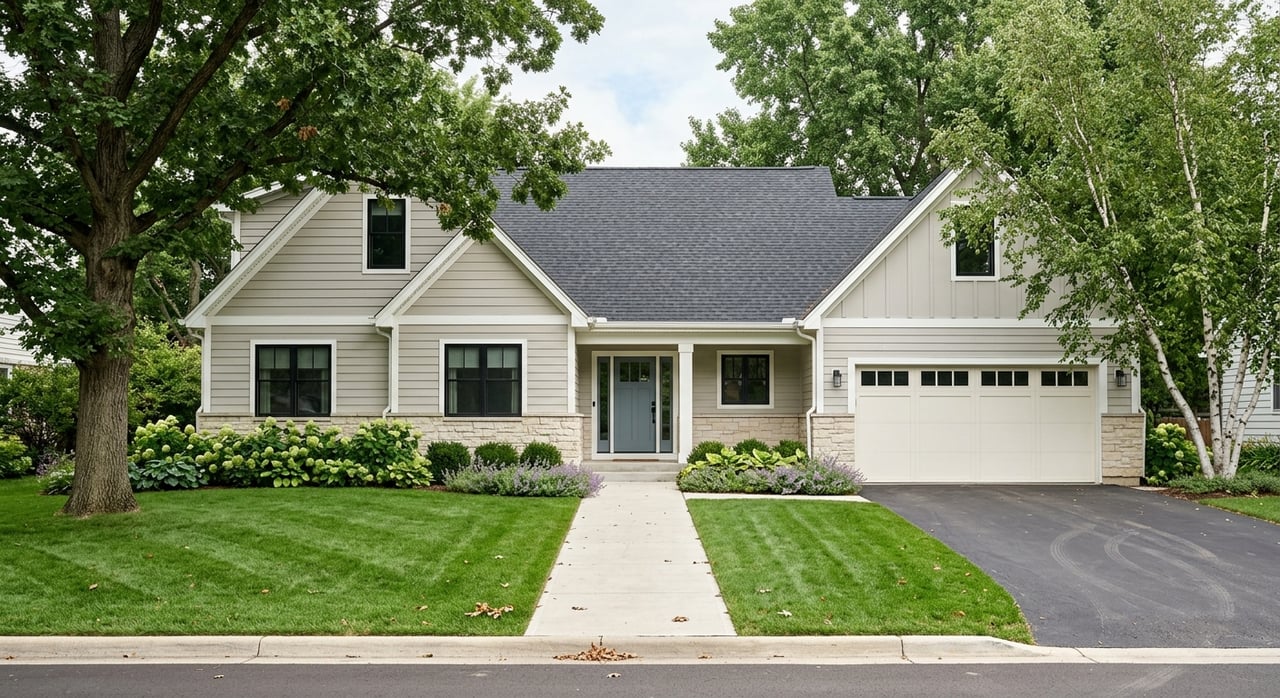
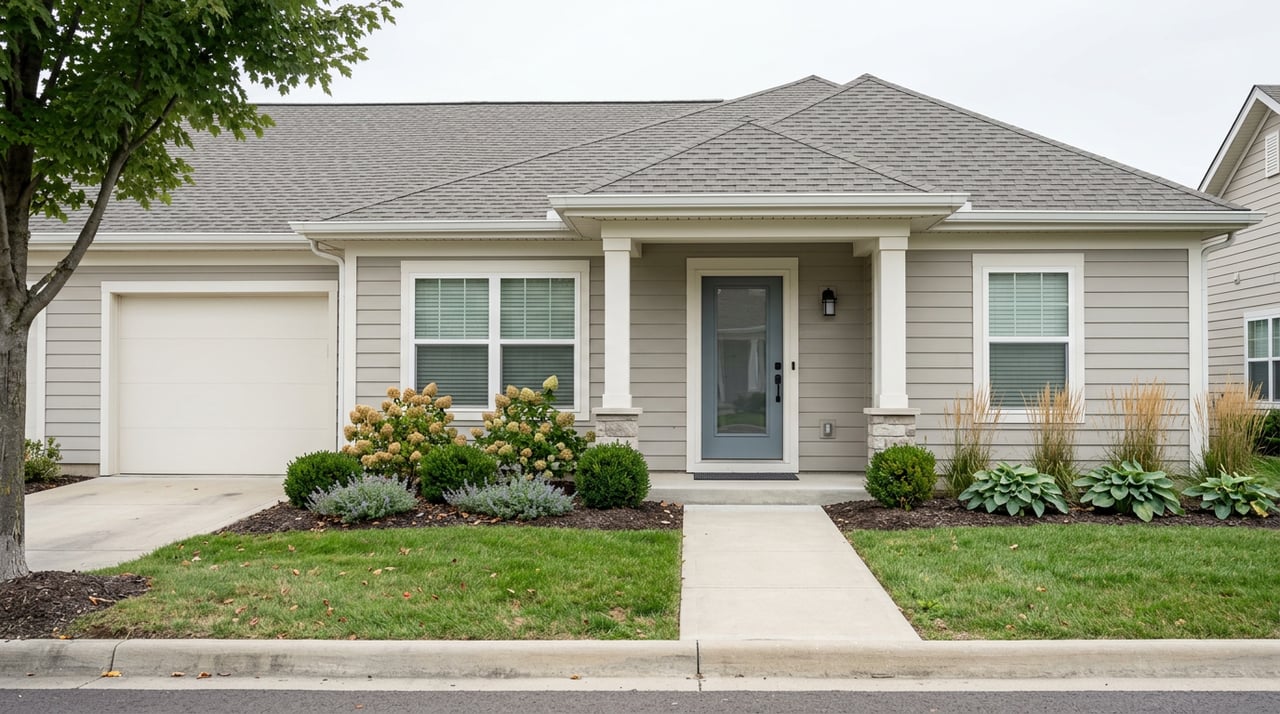
Small single-family ranch or patio home. You get low-maintenance interiors and a private yard, which is great if you enjoy outdoor space. Make sure entries are low-step, and watch for stairs or narrow halls that could limit mobility later.
Condo, townhouse, or apartment. You trade most exterior chores for HOA-provided services and may gain on-site amenities and closer neighbors. Review HOA rules and fees and ask whether common areas and units are designed for accessibility.
55-plus or active-adult communities. These often include maintenance and social programming that reduces daily logistics. Costs can be higher, so compare monthly fees to the services you would otherwise pay for.
Rental or downsized apartment. This is the simplest option with the most flexibility. Consider renting if you want time to settle your long-term plan before buying again.
If you want a specialist who speaks the language of later-life moves, consider interviewing a Seniors Real Estate Specialist. SRES agents are trained to guide older buyers and sellers through timing, benefits, and tax considerations while minimizing disruption. Learn more about the designation from the National Association of Realtors.
Age-friendly features to prioritize
You do not need a full remodel to live more comfortably and safely. Start with small, high-impact fixes, then escalate only if needed.
Start with quick wins
- Zero-step or low-step entries. Reducing or eliminating the step into your home lowers fall risk. See practical ideas in the AARP HomeFit resources.
- Main-floor bedroom and full bath. This reduces trips on stairs and extends independence. AARP’s room-by-room checklists are a useful reference.
- Walk-in or curbless shower with a seat and non-slip flooring. The CDC’s fall prevention materials highlight these as high-value upgrades. Explore the CDC fall prevention guide.
- Good, layered lighting and night-lights. Hallways and baths benefit from night lighting and higher-contrast controls. The CDC guide covers simple lighting strategies.
- Lever handles for doors and faucets; adjust outlet and switch heights if needed. The AARP HomeFit guide explains how small hardware changes can improve usability.
- Clear circulation. Aim for 36-inch clear doorways and minimal thresholds where possible so a mobility aid can pass easily.
- Grab bars and sturdy handrails. Install grab bars at the toilet and shower and ensure stair handrails are firm. See installation guidance in the CDC fall prevention materials.
What upgrades cost in broad terms
Every home and contractor is different, so treat these as ballpark ranges and get local quotes.
- Small, high-impact items like grab bars, night-lights, non-slip mats, and threshold strips typically cost from the tens to a few hundreds of dollars. See an overview of common safety add-ons in this summary of fall prevention costs.
- Bathroom safety upgrades such as a simple walk-in shower conversion, grab bars, a raised toilet, and a shower seat can run from lower triple digits to low four figures for basic work. A full accessible bath remodel can reach the mid to high four or even five figures depending on layout and plumbing. Review typical ranges in this bathroom safety cost overview.
- Major accessibility retrofits like adding an elevator or significant structural changes can be expensive and may exceed tens of thousands. For larger, older houses, it can be more practical to move to a ready-made accessible unit rather than renovate.
The evidence is clear: many fall-prevention gains come from inexpensive fixes. Start there before committing to major construction. The CDC guide and AARP HomeFit checklists are great tools to print and review at home.
Low-stress ways to sell and move
Pick your sales path
List on the MLS with one trusted SRES or senior-focused agent. A coordinated plan with limited, by-appointment showings and strong digital marketing often nets the best price, though it can take more time.
Ask about concierge-style prep. Some agents arrange cleaning, light repairs, and staging paid at closing. You reduce hands-on work, though your net proceeds may be lower than if you managed prep yourself.
Consider instant cash offers. iBuyers and local cash buyers can close quickly with few showings. You trade price for speed and certainty, and fees or repair credits can reduce your net. If you explore this route, vet the buyer carefully and compare a detailed net sheet to an MLS sale.
For-sale-by-owner (FSBO). This can save commissions but usually increases time, coordination, and legal risk. If your goal is low stress, FSBO is best only when you already have a buyer.
A calm, step-by-step plan
- Choose your timing and showing tolerance. Set a clear target close window using actual dates rather than “soon.” That clarity reduces anxiety and helps your agent design the schedule.
- Hire an SRES or senior specialist as your single point of contact. Ask about concierge prep, a one-day media shoot, and tight showing windows. Learn more about SRES training from NAR.
- Order a short pre-listing inspection and minor-repair estimates. This reduces surprises and avoids repeated last-minute visits for buyer inspections.
- Bring in a senior move manager. A NASMM-accredited firm can plan sorting, packing, donations, consignments, and move-day logistics. A local example featured in Isthmus is Moving Forward, which serves Dane County and coordinates senior moves. Read more about this type of service in the Moving Forward profile. Ask for proof of insurance, NASMM membership, references, and a written estimate.
- Lean on virtual staging and limited showings. Use 3D tours and strong photos, then stack showings into short, by-appointment windows instead of open houses if you prefer fewer visitors.
- Schedule movers and cleaners with precision. Aim for movers the day after closing, with cleaning and small repairs complete before listing. That keeps your home show-ready and minimizes back-and-forth.
If you need help with discounts, transportation, or caregiver support, the Dane County Aging & Disability Resource Center keeps an updated list of programs and referrals. Start your planning call with the Dane County ADRC resources page.
Pro tip for vendor calls: “I am planning a downsizing move from McFarland this spring. I need packing, donation drop-offs, and move coordination to a single-level condo. Can you share availability, services included, and a written estimate?”
Local resources for McFarland downsizers
- Dane County Aging & Disability Resource Center. First-call resource for transportation, moving support, and caregiver programs. Visit the ADRC resources page.
- McFarland Senior Outreach Services / Senior Center. Check the village site for current programs and newsletters that help you stay connected.
- Senior move managers. Learn what full-service move coordination looks like in this profile of Moving Forward. Ask about NASMM membership, insurance, references, and written quotes.
- Wisconsin Department of Revenue. See how downsizing or renting could affect benefits like the Homestead Credit in the DOR Homestead Credit FAQ.
- AARP HomeFit. Download room-by-room checklists and ideas for safer, more comfortable living from the AARP HomeFit guide.
- CDC fall prevention. Print the CDC checklist for quick wins you can tackle this week.
- National context. Get perspective on affordability and access to services in the Harvard JCHS report.
Ready to simplify your move?
You can make a smaller home a bigger win by setting clear criteria, choosing age-friendly features, and picking the sales path that matches your tolerance for showings and timelines. If you want a calm, construction-savvy guide who knows the Madison metro and Dane County, connect with Fred Van Buren for a practical plan and local options that fit your next chapter. Get your free home valuation.
FAQs
What does the 2026 McFarland market look like for downsizers?
- Aggregator estimates in February 2026 ranged from a median sale price near $427,855 to a typical value around $479,167, and differences reflect methodology and small monthly sales that can swing medians; confirm current numbers with a local MLS agent when you get ready to list.
How do I choose the right size home for aging in place in McFarland?
- Start with single-level living, a main-floor bedroom and full bath, low-step entries, and a manageable maintenance load; then factor in proximity to Madison healthcare and programs using the Comprehensive Plan’s access context and your personal routines.
What age-friendly upgrades give the most benefit for the least cost?
- Begin with grab bars, brighter lighting and night-lights, non-slip bath surfaces, and threshold smoothing, which the CDC fall prevention guide and AARP HomeFit highlight as high-impact and relatively inexpensive.
Is selling to a cash buyer or iBuyer in McFarland a good idea?
- It depends on your priorities; these options reduce showings and speed up closing but usually produce a lower net after fees and repair credits, so compare a detailed net sheet to an MLS listing and weigh convenience versus price.
How can I keep showings low while still getting strong offers?
- Work with an SRES-trained agent to create tight, by-appointment windows, use high-quality photos and 3D tours, complete minor repairs up front, and consider a brief pre-listing inspection to minimize surprises during buyer due diligence.
Where can I find local help for planning a downsizing move in McFarland?
- Start with the Dane County ADRC resources, check McFarland Senior Outreach for programs, and interview NASMM-accredited senior move managers like the firm profiled in Isthmus for full-service coordination.