If you shop for homes in DeForest the same way you shop anywhere else, you can miss what matters most on a Wisconsin winter morning. In this market, energy efficiency is not just about lower bills. It also affects comfort, drafts, moisture, and how hard your heating system has to work. If you want to compare homes more clearly and avoid being swayed by surface-level updates alone, this guide will show you what to look for and what to ask. Let’s dive in.
Why energy efficiency matters in DeForest
DeForest sits in a heating-dominated climate, which means winter performance should carry more weight than cooling alone. NOAA climate normals for the Madison and Dane County area show 7,591 annual heating degree days compared with 806 cooling degree days. That is a practical reminder that heat retention, air leakage control, and efficient heating systems can have a big impact on day-to-day comfort.
For you as a buyer, that means the best energy-efficient home may not be the one with the flashiest finishes. It is often the one with a tight building envelope, solid insulation, well-installed windows, and a heating system designed to run efficiently. In DeForest, those details can matter every winter.
Start with the building envelope
The first place to focus is the shell of the house. The U.S. Department of Energy notes that insulation helps lower heating and cooling costs and improve comfort, while air sealing helps reduce leakage and works best when paired with insulation. In a place like DeForest, that combination is especially important.
When you read a listing or walk through a home, pay attention to clues that the house holds heat well. That may include attic insulation depth, sealed gaps around rim joists and utility penetrations, tight exterior doors, and evidence of storm windows or recent window replacement. These are not glamorous features, but they often make a home feel better to live in.
What to look for in windows
Windows can be a major weak point if they are older or poorly installed. DOE recommends looking for ENERGY STAR and NFRC labels, along with climate-appropriate features like low-e coatings and efficient frames. Just as important, the windows should be installed properly.
As you tour a home, notice whether rooms near windows feel noticeably colder. Check for visible condensation, drafts, or signs of older units that may be nearing the end of their useful life. A newer window package can be a plus, but the real value comes from performance, not just appearance.
Check the heating system carefully
In DeForest, the heating system deserves close attention because it will do a lot of work each year. DOE says air-source heat pumps can provide efficient heating and cooling and may deliver two to four times more heat energy than the electricity they consume when properly installed. That makes them worth noticing, especially in newer or updated homes.
If the home has a furnace or boiler instead, ask about efficiency, age, and service history. DOE notes that modern high-efficiency systems can reach up to 98.5% efficiency, and sealed-combustion units can avoid wasting heated indoor air through the chimney. A newer, documented system can give you more confidence than a vague note that the HVAC is “updated.”
Smart thermostats are a useful clue
A smart thermostat alone does not make a home high performing, but it can be a sign that the seller has paid attention to efficiency. ENERGY STAR-certified smart thermostats offer scheduling, remote control, geofencing, and utility-program compatibility. Focus on Energy also lists a $50 rebate for qualified smart thermostats purchased on or after January 1, 2026.
Think of the thermostat as one piece of a larger picture. If you see a smart thermostat along with upgraded insulation, documented air sealing, and a newer heating system, that is a stronger efficiency story than a single gadget on the wall.
Don’t overlook ventilation and moisture control
A tighter home should still have a healthy way to manage fresh air and moisture. ENERGY STAR-certified homes include features such as whole-house fresh air systems, kitchen and bath fans that exhaust outside, MERV 6 or better filtration in ducted systems, combustion-safety protections, and blower-door-tested air sealing. Those details support comfort, durability, and indoor air quality.
For you as a buyer, this means an efficient home should not feel stale, damp, or musty. If the lower level smells damp, bathroom fans seem weak, or kitchen exhaust does not vent outside, ask more questions. A home that is sealed without proper ventilation can create comfort and moisture issues that are easy to miss during a quick showing.
Look for strong signals in newer homes
If you are comparing newer construction in DeForest, one of the clearest non-technical signs is ENERGY STAR certification. ENERGY STAR says certified homes and apartments are built and independently verified to exceed minimum energy code requirements by at least 10 percent. That can give you a better baseline than marketing language alone.
Certified homes are built around a complete thermal enclosure system, efficient heating and cooling, efficient lighting and appliances, plus independent inspections and testing. If a builder or seller can provide certification documents or a builder packet, that can help you compare newer homes based on verified performance rather than just age.
Understand the code baseline
Wisconsin’s Uniform Dwelling Code applies statewide to one- and two-family dwellings built since June 1, 1980. The Wisconsin Department of Safety and Professional Services notes that the code’s energy conservation provisions were updated to the 2009 IECC effective January 1, 2016.
That matters because code compliance is a baseline, not the same thing as a high-performance home. A newer house may meet code and still differ meaningfully from another newer home with better insulation, better air sealing, better windows, or verified ENERGY STAR construction.
Use a simple showing checklist
When you tour homes, it helps to use the same checklist every time. DOE’s Energy-Efficient House Tour organizes the conversation around thermostats, lighting, weatherization, windows, appliances, heating, water heating, ventilation, and insulation. That structure makes it easier to compare one property to the next.
Bring these questions and observations with you:
- Ask for the age and service history of the furnace, boiler, heat pump, water heater, windows, attic insulation, and any recent air-sealing work.
- Look for room-to-room temperature swings, cold floors, drafts around windows and doors, and condensation on glass.
- Pay attention to musty smells or signs of moisture, especially in lower levels.
- Check whether kitchen and bath fans vent outside.
- Ask whether the seller has recent utility bills or a home energy assessment.
These details can tell you more than a fresh coat of paint or new countertops. In many cases, the most comfortable home is the one where the invisible upgrades were done well.
Ask for the right documents
Paperwork can help you compare homes based on real operating performance instead of guesswork. For buyer-facing decisions, some of the most useful items are any ENERGY STAR certification or builder packet for new construction, a recent energy audit, recent utility bills, HVAC service records, and rebate paperwork tied to insulation, air sealing, or equipment replacement.
If a seller has those records organized and ready, that is often a positive sign. It suggests the home has been maintained thoughtfully, and it gives you a clearer picture of what has actually been improved.
Know the local rebate programs
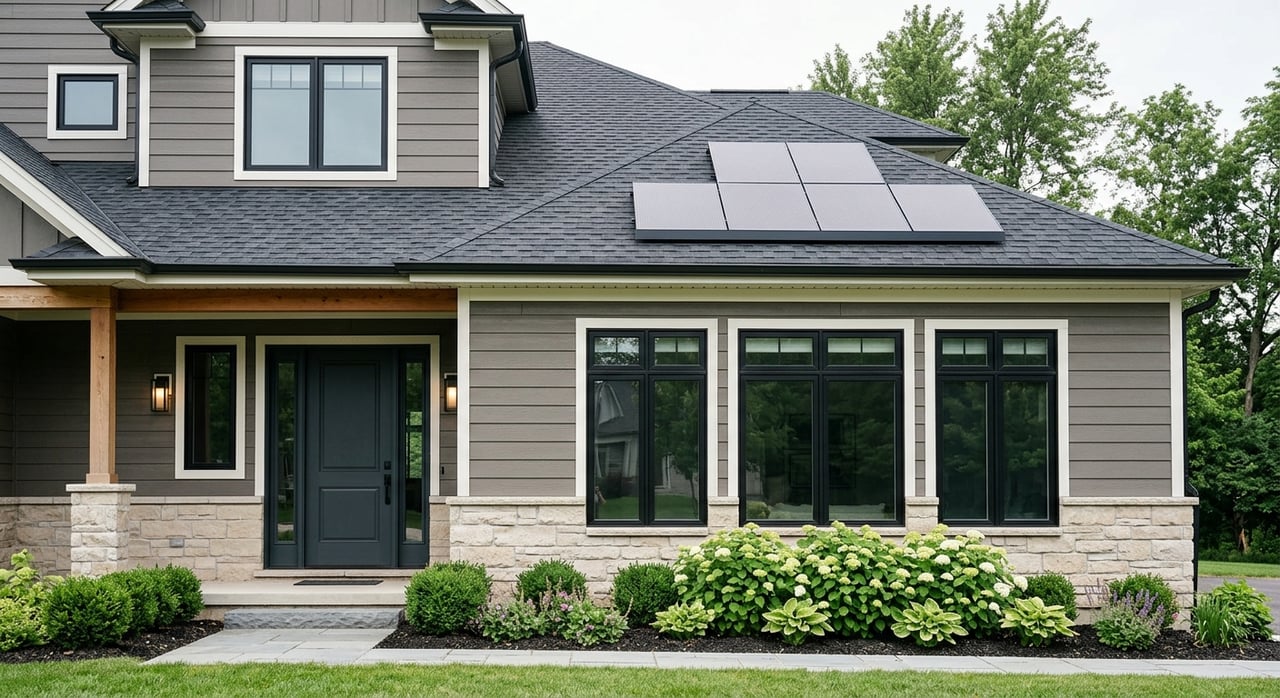
Because DeForest is in Alliant Energy’s electric service area, local buyers may have access to useful programs through Focus on Energy and related utility-supported tools. Focus on Energy currently offers residential rebates and discounts for heating and cooling equipment, smart thermostats, water heaters, insulation, air sealing, and solar electric systems.
Focus on Energy also administers Wisconsin’s IRA Home Energy Rebate programs. The HOMES program requires a home energy assessment, while HEAR can cover heat pumps and other efficient electric equipment, insulation, air sealing, upgraded electrical panels and wiring, and certain appliances for eligible households.
Alliant Energy says a certified home energy assessment is the best way to identify air leaks and waste, and it provides cash back for air sealing and insulation projects. According to Alliant, customers receive over $1,000 on average to offset project costs. Alliant also offers instant discounts on qualifying HVAC equipment in Wisconsin through Focus on Energy.
For you, the takeaway is simple: if a home needs efficiency upgrades after closing, there may be programs that help reduce the cost. It is worth asking what improvements have already been completed and whether any supporting rebate paperwork is available.
How to compare two similar homes
If you are stuck choosing between two homes with similar price, size, and location, energy efficiency can be a smart tie-breaker. In DeForest, the better long-term choice is often the home that reduces winter heat loss, keeps temperatures more even, and has documented upgrades.
Here is a practical way to compare:
- Favor a well-insulated and tightly sealed home over one with only cosmetic updates.
- Give extra weight to low-e windows that appear well installed.
- Compare the age, efficiency, and service history of the heating system.
- Look for signs of proper ventilation and moisture control.
- Value documentation like energy audits, utility bills, and certification records.
If you want a quick benchmark after a showing, EPA’s Home Energy Yardstick can provide a simple 0 to 10 score and show how much of a home’s energy use is tied to heating and cooling versus appliances, lighting, and hot water. It is not a substitute for an assessment, but it can help you frame the conversation.
A practical approach for DeForest buyers
The most useful energy-efficiency signals in DeForest are usually straightforward. Look for a tight and well-insulated envelope, properly installed low-e windows, an efficient heat source, and ventilation that supports comfort and indoor air quality. In this market, those basics often matter more than buzzwords.
If you are shopping resale, ask direct questions and look past the staging. If you are shopping newer construction, ask for verification and builder documentation. Either way, a credible home energy assessment and clear upgrade records can help you buy with more confidence.
When you want a practical read on how a home is put together, it helps to work with someone who understands both the local market and the construction side of the conversation. If you’re planning your next move in Dane County, Fred Van Buren can help you compare homes with a clear eye for comfort, efficiency, and long-term value.
FAQs
What should I look for in an energy-efficient home in DeForest?
- Focus on attic insulation, air sealing, low-e windows, an efficient heating system, and ventilation that manages fresh air and moisture well.
Why does heating efficiency matter so much in DeForest?
- DeForest is in a heating-dominated climate, with far more annual heating degree days than cooling degree days, so winter heat retention and efficient heating have a major effect on comfort and energy use.
What documents should I request when shopping for an efficient home in DeForest?
- Ask for recent utility bills, HVAC service records, any home energy assessment, rebate paperwork for insulation or equipment upgrades, and any ENERGY STAR certification or builder packet for newer homes.
Are there rebates for energy-efficiency upgrades in DeForest?
- Yes. Focus on Energy offers residential rebates and discounts for items like heating and cooling equipment, smart thermostats, water heaters, insulation, air sealing, and solar electric systems, and local buyers in Alliant Energy’s service area may also benefit from related programs.
Is a newer home in DeForest automatically more energy efficient?
- Not always. Newer homes may meet code, but performance can still vary based on insulation, air sealing, window quality, HVAC efficiency, and whether the home has verified features such as ENERGY STAR certification.